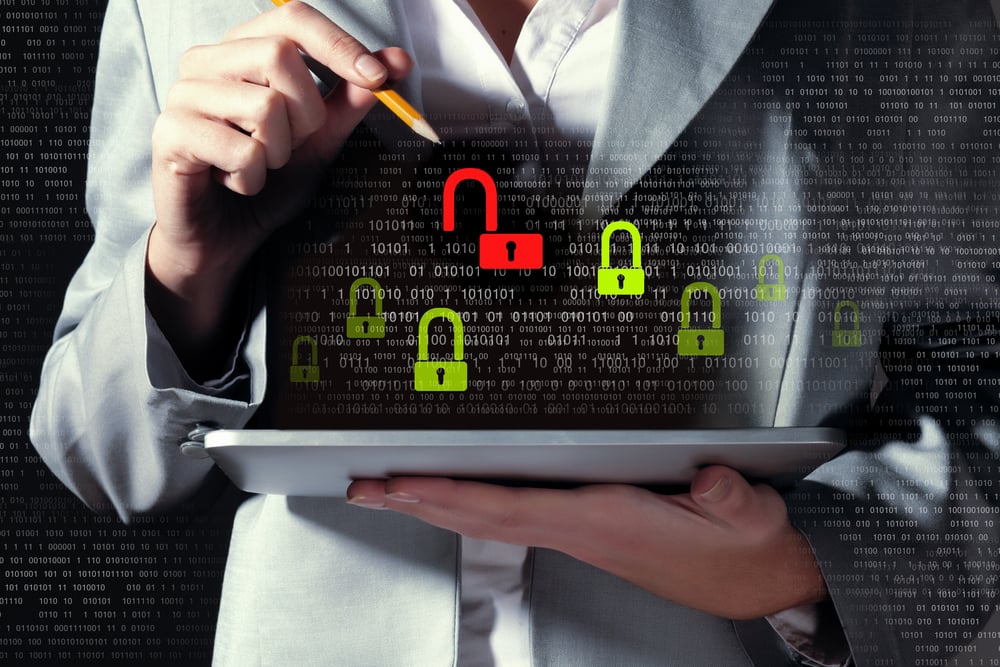
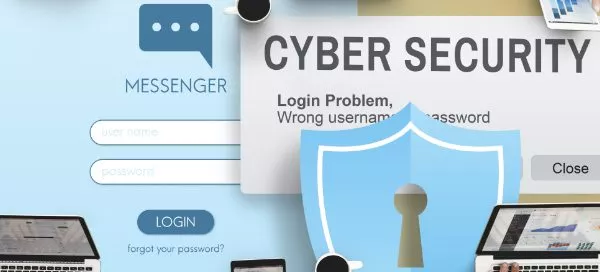
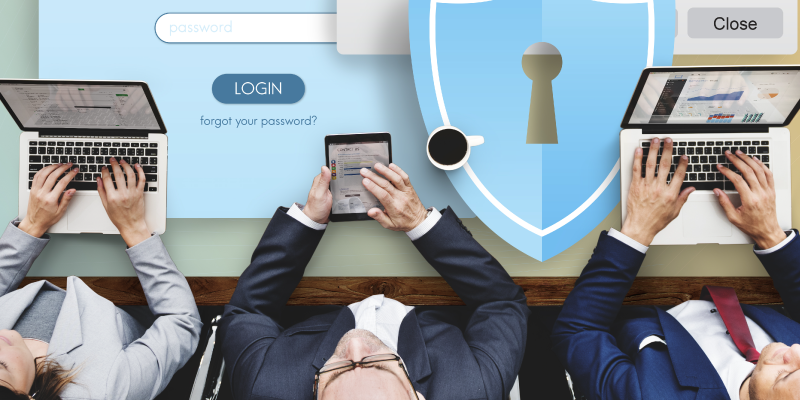
Cyber crime has been around since the very early days of the Internet and has it has become an increasingly serious problem as the number of Internet users has increased. This trend is likely to continue, and you can be guaranteed that you'll continue to see news about websites being hacked and valuable information exposed. One of the latest sites to be hacked is LivingSocial.
LivingSocial is a daily deals website that focuses on bringing bargains and original deals to users based on their geographical location. In late April, news broke that the website had suffered a massive cyber attack with 50 million accounts being compromised.
From the reports we have seen, the attack targeted accounts world-wide with only account holders in Thailand, Indonesia, South Korea and the Philippines being unaffected. An email sent out by Tim O'Shaughnessy, LivingSocial's CEO shortly after the incident said, "We recently experienced a cyber-attack on our computer systems that resulted in unauthorized access to some customer data from our servers. We are actively working with law enforcement to investigate this issue."
The company assured users that their credit card data had not been compromised, as they are kept in another database. Account passwords were also encrypted, which means they are harder to crack but not impossible.
What should you do? If you have a LivingSocial account, we recommend that you go and change your password immediately. This can be done by:
- Going to LivingSocial's forgot your password page.
- Entering the email address you used to sign up for the account with.
- Pressing Reset Password.
- Checking your email for an email from LivingSocial and following the instructions in the email.
It is advisable to pick a new password, one that is as different as possible from your old password and, as always, the longer, the better.
Is there anything I can to do protect my company? If you are a business owner who has websites that encourage customers to sign up for updates, accounts, etc. you may be wondering how you can keep your user's information secure from cyber attack. In truth, you can't keep your important information 100% secure, if a hacker is committed enough, they will be able to get the information they need or wreak the havoc they want to. But what you can do is to make it as hard as possible for cybercriminals to get your information. This could be as simple as using multiple databases to store different bits of information, or as complex as using the latest encryption methods and systems.
Each business is unique, and the best way to ensure your valuable data is secure is to work with an IT partner who takes the time to get to know your security needs and develop a solution that is as near to 100% secure as possible.
If you are worried about the security of your systems, contact us today. We may have the perfect solution that will meet your needs and budget.

Take a moment and think about your business and if you are prepared for a disaster. If you are like most business owners or managers you have some form of backup and maybe even a basic disaster recovery plan. While this is a start, recent big disasters around the world have proven that a simple backup is not enough. If you feel that your business is under prepared, there are steps you can take to fix that.
Marketing is an integral element of any business strategy, and social media is largely seen to now be a large part of any company's marketing initiative. If leveraged correctly, various social media platforms could give your company a marketing boost that few other campaign types could. But, did you know that social media could also help other business functions or departments?
Chances are high that you already take great steps to ensure that your network and systems are secure from threats. But, do you take the same steps to ensure that your accounts like email, social media, bank, etc. are also secure? The weakest link of these accounts is the password, and that's exactly where most hackers strike. Is your password secure?
The Internet has forever changed our lives, and now we expect things to be instant, including our communication. Email has played a large part in developing these expectations, and has for the most part proven to be an immensely useful tool. Sometimes, a little too useful. It's not uncommon to hear business owners gripe about email overload. If this sounds like you, don't worry as there are things you can do.
One of the more common business buzzwords of the past decade is CSR (Corporate Social Responsibility). Companies of all sizes have been taking steps to do their part, often by implementing an environmentally friendly initiative like recycling. While it certainly is a good idea to try and save the environment, many business owners have no idea where to start, or how to do more. Technology, more specifically mobile phone apps, may be able to help.
The amount of data available to businesses is growing at such an exponential rate that many are simply overwhelmed. Most of this data can be utilized in some way, be it to help make decisions or even judge the overall success of operations. One of the major ways to measure success is through the use of Key Performance Indicators (KPIs). But what exactly are they?
Business owners and managers have many concerns they must address on a regular basis, or at least be aware of. Some of security concerns revolve around fraud, more specifically email fraud. While this isn't a new concept, email fraud and scam occurrences are on the rise, and it is vital to know how to spot them.
One of the most important tools of a modern marketing plan is social media. With the various platforms leveraged correctly, social media could be the best way to expand your brand and gain vital exposure. Pinterest, the newest major social network which all about sharing images, has recently had its layout overhauled and new features introduced. Businesses can really benefit from these enhancements.
It can be argued what the most important invention of the last 100 years has been, but many would agree that the computer has to be among the top. These complex machines helped usher in the information age. Unfortunately, they come with a downside: Destructive malware such as viruses have become a major problem for businesses because viruses have been built up to such mythical proportions that many users simply don’t know fact from fiction.